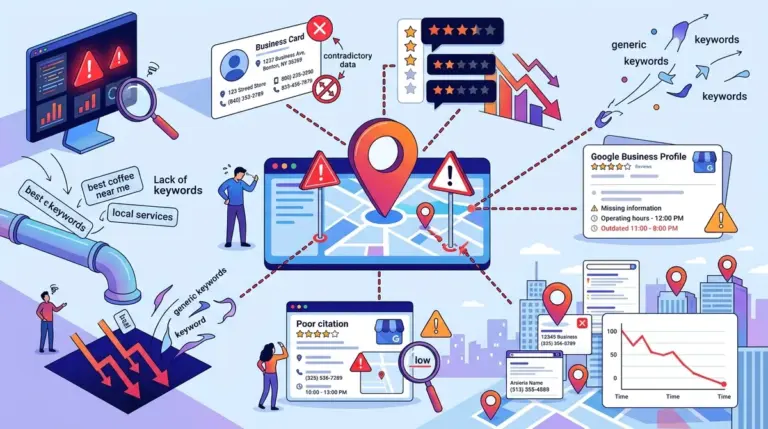
For any business operating with a physical location or serving a specific geographic area, understanding local search visibility is paramount. Unlike national or global SEO, local search results are heavily influenced by the searcher's proximity and the business's location. This makes a local rank tracker an indispensable tool for monitoring performance, identifying opportunities, and ensuring a business appears prominently to nearby potential customers, particularly within the highly visible Google Map Pack.
The Core Challenge of Local SEO Ranking
Local SEO presents distinct challenges compared to broader organic search. Search engines prioritize relevance, prominence, and proximity when delivering local results. This means a business ranking highly for a generic term nationally might be completely invisible in a specific city if its local signals are weak. Tracking these nuanced local positions requires specialized tools that go beyond standard keyword rank monitoring.
Why City-Level Tracking Matters
Generic rank tracking often provides an aggregate or national average position for keywords, which is largely irrelevant for businesses whose customer base is geographically defined. A plumber in Miami, for instance, gains no commercial value from ranking well in Seattle. City-level tracking allows businesses to monitor their performance for specific keywords within their actual service areas or target cities. This precision reveals true market penetration, highlighting whether local SEO efforts are translating into visibility where it counts. Without this granular data, businesses risk misallocating resources, optimizing for locations that don't drive revenue, or overlooking critical visibility gaps in their primary markets.
Understanding the Map Pack's Impact
The Google Map Pack, also known as the Local Pack, is a prominent block of three business listings that appears at the top of local search results, often above organic listings. Its high visibility makes it a critical driver of local traffic, phone calls, and foot traffic. Businesses appearing in the Map Pack benefit from instant credibility and direct exposure to searchers with high commercial intent. Monitoring positions within this specific section is distinct from tracking traditional organic rankings. A business might rank on page one organically but be absent from the Map Pack, signifying a different set of optimization challenges related to Google Business Profile signals, reviews, and local citations. A local rank tracker specifically designed to monitor Map Pack positions provides the necessary data to address these unique ranking factors effectively.
Key Features of an Effective Local Rank Tracker
An effective local rank tracker moves beyond basic keyword position reporting, offering functionalities tailored to the intricacies of local search. These features provide the depth of data necessary for informed local SEO strategy development and execution.
Granular Location Targeting
The ability to specify exact locations for tracking is fundamental. This includes not just cities, but often neighborhoods, postal codes, or even custom geographic coordinates. This level of detail allows businesses with multiple branches or those targeting hyper-local markets to monitor performance precisely where their customers are searching. For example, a restaurant chain can track its ranking for "best pizza" in downtown Chicago, Lincoln Park, and River North simultaneously, understanding how its local SEO performs across distinct urban segments.
Map Pack Visibility Monitoring
A crucial feature is the dedicated tracking of positions within the Google Map Pack. This involves reporting not only if a business appears in the Map Pack but also its specific rank (e.g., 1st, 2nd, 3rd) and often includes details about the associated Google Business Profile. Some trackers also show which competitors are appearing in the Map Pack for target keywords, offering insights into local competitive landscapes and opportunities for improvement in areas like review management or local citation building.
Competitive Local Analysis
Understanding local competition is vital. A robust local rank tracker allows users to track competitor rankings for the same local keywords and within the same geographic areas. This reveals who dominates the local SERPs and Map Pack for specific queries, enabling businesses to benchmark their performance and identify gaps in their own local SEO strategy. Analyzing competitor trends can highlight successful tactics they employ, such as a strong review profile or consistent local citations, which can then inform a business's own efforts. This reveals who dominates the local SERPs and Map Pack for specific queries, enabling businesses to benchmark their performance and identify gaps in their own local SEO strategy and how to build a more effective local SEO strategy.
Reporting and Alerting Capabilities
Automated reporting provides regular updates on ranking changes, often delivered weekly or monthly. This keeps stakeholders informed without manual data extraction. Alert features notify users of significant ranking fluctuations, either positive or negative, allowing for prompt investigation and response. For instance, a sudden drop in Map Pack ranking for a key service might trigger an alert, prompting a review of recent Google Business Profile changes or new competitor activity.
Pro Tip: When setting up local rank tracking, always include variations of your primary services combined with your target cities and neighborhoods. For instance, "emergency plumber [city name]" and "24/7 plumbing repair [neighborhood]" will provide more actionable data than just "plumber." This captures specific user intent.
Implementing Local Rank Tracking for Business Growth
Tracking local rankings is not merely about observing data; it's about leveraging that data to drive tangible business outcomes. The insights gained from a local rank tracker should directly inform and refine your local SEO strategy.
Setting Up Location-Specific Keywords
The initial setup phase is critical. Businesses should identify their core services and products, then combine these with all relevant geographic modifiers. This includes the primary city, surrounding towns, specific neighborhoods, and even "near me" variations. For a dentist, this might mean tracking "dentist [city]", "dental implants [city]", "emergency dentist [neighborhood]", and "dentist near me" from various simulated locations. This comprehensive keyword list ensures a full picture of local search visibility.
Interpreting Rank Data for Actionable Insights
Raw ranking numbers are only a starting point. The real value comes from interpreting trends and identifying patterns. A consistent decline in Map Pack rankings might indicate a need to solicit more recent reviews or update Google Business Profile information. A sudden jump in organic local rankings for a specific keyword could point to the success of recent on-page optimization. Analyzing competitor movements within the Map Pack can reveal opportunities for improving local citations or building local links. The goal is to connect ranking changes to specific local SEO actions and their impact.
Integrating with Local SEO Strategy
Local rank tracking should be an integral feedback loop for your overall local SEO strategy.
- Content Optimization: Identify keywords with low rankings but high search volume, and create city-specific landing pages or blog posts.
- Google Business Profile Management: Use Map Pack ranking data to prioritize updates to business hours, photos, services, and Q&A sections.
- Review Management: If competitors outrank you in the Map Pack, focus on increasing the quantity and quality of customer reviews.
- Local Citation Building: Identify missing or inconsistent citations across local directories that might be impacting local organic rankings.
- Link Building: Pursue local backlinks from community organizations, local news sites, or complementary businesses to boost authority.
This continuous cycle of tracking, analyzing, and optimizing ensures that local SEO efforts remain targeted and effective.
Maximizing Local Visibility
A local rank tracker is more than a reporting tool; it's a strategic asset. By providing precise, location-aware data on both organic and Map Pack performance, it empowers businesses to make informed decisions about where to focus their local SEO efforts. Regular monitoring, coupled with a proactive approach to optimizing local signals, allows businesses to not only appear in relevant local search results but to dominate them, driving valuable local traffic and conversions. The investment in understanding and acting on this granular data directly translates into enhanced local market share and sustained business growth.
Frequently Asked Questions
What is local rank tracking?
Local rank tracking involves monitoring a business's search engine positions for specific keywords within defined geographic areas, such as cities or neighborhoods, often distinguishing between traditional organic results and the Google Map Pack.
How often should local rankings be checked?
While daily checks are possible, weekly or bi-weekly monitoring is generally sufficient for most businesses to observe trends and react to significant changes without overreacting to minor fluctuations. Map Pack rankings can be more volatile, warranting closer attention.
What's the difference between organic and Map Pack rankings?
Organic rankings refer to positions in the main list of search results, influenced by traditional SEO factors like content and backlinks. Map Pack rankings are the top three business listings shown on a map, heavily influenced by Google Business Profile optimization, proximity, and reviews.
Can local rank tracking help with multiple business locations?
Yes, local rank trackers are particularly valuable for businesses with multiple locations, as they allow for independent tracking of each branch's performance across its specific service areas, providing tailored insights for each individual location's local SEO strategy.