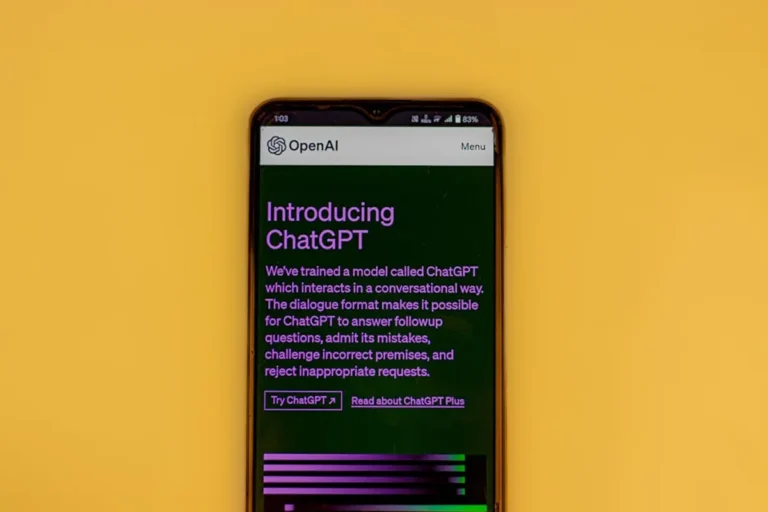
The landscape of search is undergoing a significant transformation, driven by the integration of large language models (LLMs) and generative AI. For brands, this shift means that traditional keyword-based rank tracking, while still essential, no longer provides a complete picture of online visibility. As AI-powered search experiences (like Google’s Search Generative Experience, Perplexity AI, or ChatGPT’s search capabilities) increasingly summarize information and answer queries directly, the critical question becomes: Is your brand being mentioned, and in what context? LLM rank tracking specifically addresses this challenge, focusing on how and where your brand appears within these synthesized AI search results, moving beyond simple URL rankings to monitor actual brand mentions and their surrounding sentiment. LLM rank tracking specifically addresses this by analyzing how your brand is being mentioned in AI-generated content.
Understanding AI Search and Brand Visibility
The Shift to Generative Answers: How LLMs Impact Search Results
Generative AI in search represents a paradigm shift from a list of ten blue links to direct, synthesized answers. LLMs process vast amounts of information, extract key data points, and then generate concise summaries or direct responses to user queries. This means that a user might receive an answer that incorporates facts or attributes about your brand without ever clicking through to your website. For example, an AI might summarize "the best CRM software for small businesses" and include your brand as a key recommendation, or conversely, omit it entirely, even if your site ranks highly in traditional organic results for related keywords. The impact on brand visibility is profound: presence within these AI-generated snippets becomes a new, non-clickable form of exposure, crucial for top-of-funnel awareness and credibility.
Why Traditional Rank Tracking Falls Short for AI Search
Traditional rank tracking tools are designed to monitor the position of specific URLs for targeted keywords on standard search engine results pages (SERPs). They measure whether your page appears at position 1, 5, or 10. However, AI search environments operate differently. They often present a single, consolidated answer or a conversational interface. In these scenarios, there isn't a "position 1" for a URL in the conventional sense. Instead, the focus shifts to whether your brand name, product, or key personnel are explicitly mentioned within the generated response. Traditional tools cannot parse the natural language output of an LLM to identify these brand mentions, nor can they analyze the sentiment or context surrounding them. This gap necessitates a specialized approach to understand true brand presence in the generative era.
Core Components of LLM Rank Tracking for Brand Mentions
Identifying Key Brand Mentions and Entities
Effective LLM rank tracking begins with a comprehensive definition of what constitutes a "brand mention." This extends beyond your primary brand name to include:
- Product and service names (e.g., "Acme Pro," "Acme Cloud Solutions")
- Key personnel (e.g., CEO's name, prominent spokespeople)
- Common misspellings or abbreviations of your brand
- Related entities or intellectual property (e.g., specific methodologies, proprietary terms)
The goal is to capture any instance where an LLM might reference your brand, even indirectly, within its generated output. This requires a nuanced understanding of how your brand is perceived and discussed in the broader digital ecosystem.
Monitoring AI-Generated Content Sources
Tracking brand mentions in AI search involves monitoring the specific platforms where generative AI is integrated into the search experience. These currently include:
- Google's Search Generative Experience (SGE): Where Google provides AI-powered overviews above traditional search results.
- Microsoft Bing Chat / Copilot: Microsoft's AI assistant integrated into Bing Search and Windows.
- Perplexity AI: A conversational answer engine that cites its sources.
- ChatGPT (with search capabilities): When using plugins or features that allow it to access current web information.
Each platform may present information differently, and the methods for extracting and analyzing their generated content can vary. Some might offer API access for data extraction, while others may require more sophisticated web scraping or manual observation techniques.
Analyzing Mention Context and Sentiment
Simply being mentioned by an LLM is not enough; the context and sentiment surrounding that mention are equally, if not more, important. A brand mention can be:
- Positive: Highlighted as a solution, recommended, or praised for specific attributes.
- Neutral: Factually stated as an option or part of a list without explicit endorsement.
- Negative: Associated with criticisms, problems, or unfavorable comparisons.
Understanding this qualitative aspect allows brands to gauge their reputation within AI search results. A negative mention, even if it's just one, can significantly impact perception. Conversely, consistent positive mentions can build powerful brand authority. This analysis requires natural language processing (NLP) capabilities to interpret the surrounding text and assign a sentiment score or category.
Pro Tip: Focus on the context of brand mentions within AI-generated summaries. A mention without positive attribution or a call to action can be less valuable than a direct link, but a negative mention is a critical alert that requires immediate attention and potential content strategy adjustments.
Practical Steps for Implementing LLM Brand Mention Tracking
Setting Up Your Monitoring Framework
To establish an effective LLM brand mention tracking system, consider these steps:
- Define Your Brand Lexicon: Compile a comprehensive list of all brand names, product names, key personnel, and associated terms that an LLM might mention. Include common misspellings or regional variations.
- Identify Target AI Search Environments: Determine which specific AI search platforms are most relevant to your audience and business objectives.
- Choose Monitoring Methods:
- Manual Spot Checks: For smaller brands or initial exploration, conduct regular searches on target AI platforms for your brand lexicon.
- API Integration: If platforms offer APIs (Application Programming Interfaces), leverage them for programmatic data collection. This provides scalable access to generated content.
- Third-Party Tracking Solutions: Specialized tools are emerging that can automate the process of querying AI models, extracting responses, and analyzing brand mentions and sentiment. Evaluate these based on their coverage, analytical capabilities, and reporting features.
- Establish a Baseline: Before implementing changes, track your brand mentions for a period to understand your current visibility and sentiment in AI search.
Interpreting and Actioning Data
Once you begin collecting data on LLM brand mentions, the next crucial step is to interpret the findings and translate them into actionable strategies:
- Quantify Mention Frequency: Track how often your brand is mentioned across different AI search platforms and for various queries. Increased frequency generally indicates improved visibility.
- Monitor Sentiment Trends: Observe shifts in the sentiment associated with your brand. A decline in positive mentions or an increase in negative ones signals a potential issue.
- Identify Key Associated Topics: Analyze what other entities, topics, or keywords are frequently mentioned alongside your brand. This can reveal new opportunities for content creation or highlight areas where your brand is being misunderstood.
- Benchmark Against Competitors: If possible, track competitor brand mentions to understand your relative performance in the AI search landscape.
- Inform Content Strategy: Use insights to create content that specifically addresses common AI queries, provides clear, concise information about your brand, and reinforces positive attributes. This can influence how LLMs synthesize information about you.
- Guide Reputation Management: Rapidly address negative mentions by updating factual information, issuing clarifications, or improving customer experience, which can then be reflected in future AI-generated responses.
- Optimize for AI Summarization: Structure your website content with clear headings, concise paragraphs, and definitive statements to make it easier for LLMs to extract accurate and positive information about your brand.
The Future of Brand Visibility in AI Search
AI search is not a static technology; it is constantly evolving. As LLMs become more sophisticated, their ability to understand nuance, context, and user intent will deepen. This means that brands must adopt a flexible and adaptive approach to their visibility strategies. The emphasis will continue to be on foundational SEO principles—authority, relevance, trustworthiness, and high-quality content—but with an added layer of optimization for AI summarization. Proactive monitoring of LLM brand mentions will not just be a competitive advantage; it will become a fundamental requirement for maintaining and growing brand presence in the digital sphere.
Practical Insights for Ongoing Monitoring
Maintaining brand visibility in the age of AI search demands continuous vigilance and adaptation. LLM rank tracking provides the necessary intelligence to understand how your brand is being represented in these new, powerful search environments. Integrate this monitoring into your existing SEO and brand management workflows. Regularly review the context and sentiment of mentions, and use these insights to refine your content, public relations, and overall digital strategy. The blend of traditional SEO with specialized AI search monitoring will ensure your brand remains relevant and positively positioned as search technology continues its rapid evolution.
Frequently Asked Questions
What is LLM Rank Tracking?
LLM rank tracking is the process of monitoring how and where a brand, product, or specific entity is mentioned within the AI-generated summaries and responses provided by large language models in search environments, rather than just tracking traditional keyword rankings for URLs.
How does AI Search differ from traditional search for brands?
Traditional search primarily returns a list of links to web pages. AI search, powered by LLMs, often synthesizes information from multiple sources to provide a direct answer or summary, meaning a brand might be mentioned and gain visibility without a user ever clicking through to its website.
Can I automate LLM brand mention tracking?
Yes, while manual checks are a starting point, automation is possible through various means, including leveraging platform APIs (if available), utilizing web scraping techniques, or employing specialized third-party tools designed to query AI models and analyze their textual outputs for brand mentions and sentiment.
Why are brand mentions in AI important?
Brand mentions in AI search are crucial for top-of-funnel awareness, reputation management, and establishing authority. They provide direct exposure to users who may not click traditional links, influencing perceptions and potentially driving indirect traffic or conversions based on the AI's recommendation or summary.