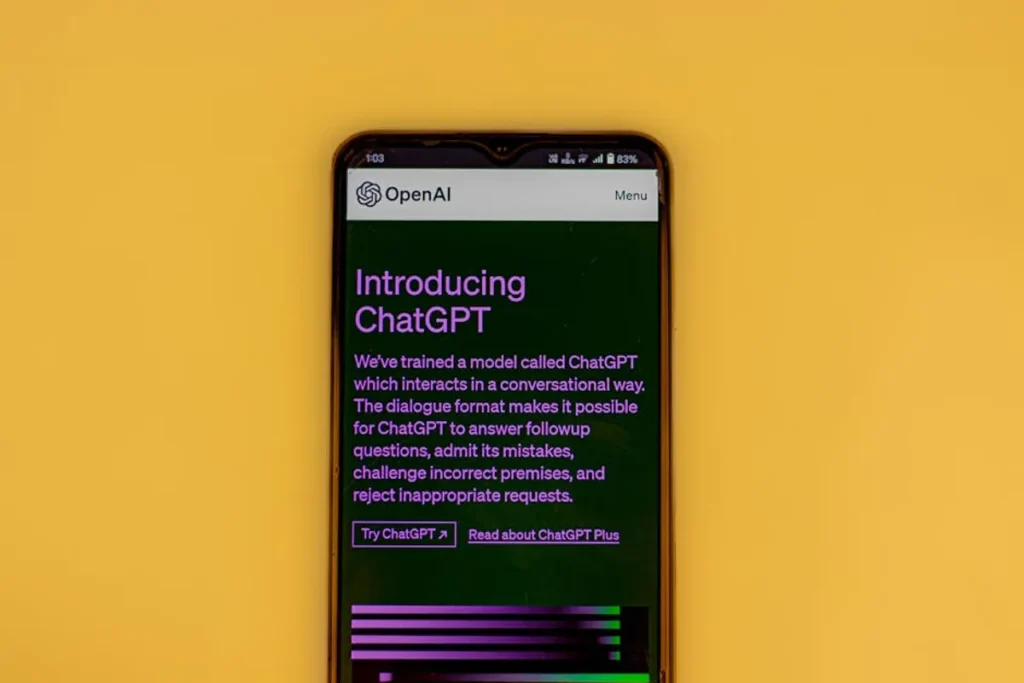
The landscape of search and information retrieval is evolving rapidly, with generative AI models like ChatGPT playing an increasingly prominent role in how users find answers. This shift means that brand visibility now extends beyond traditional search engine results pages (SERPs) to include the succinct, synthesized responses provided by AI. For marketers, SEO professionals, and brand managers, understanding and tracking how their brand appears within these AI answers is no longer optional; it's a critical component of maintaining digital presence and reputation. A ChatGPT Rank Tracker addresses this need by offering a specialized solution to monitor and analyze brand mentions and citations within AI-generated content, providing actionable insights into a new, vital channel for audience engagement. This is why a ChatGPT Rank Tracker is becoming a vital tool to track brand visibility in AI answers.
Understanding ChatGPT Rank Tracker
A ChatGPT Rank Tracker functions as a dedicated monitoring tool designed to observe and report on how specific brands, products, services, or key phrases are referenced within the output of large language models. Its primary purpose is to bridge the gap between traditional SEO tracking, which focuses on organic search rankings, and the emerging domain of AI-driven information delivery. This type of tracker helps quantify brand presence in AI answers, revealing not just if a brand is mentioned, but also the context, sentiment, and originating sources cited by the AI. This tool helps you monitor brand mentions in AI search, offering insights beyond traditional SEO metrics.
Best for: Brands seeking to understand their narrative control and visibility in generative AI environments, and those needing to adapt their content strategies for AI consumption.
Tracking AI Answer Mentions
The core functionality of a ChatGPT Rank Tracker involves identifying instances where a brand's name or associated terms appear in AI-generated responses. This goes beyond simple keyword detection; it involves contextual analysis to determine if the mention is relevant to the brand in question. For example, it differentiates between a generic use of a word that happens to be a brand name and a direct reference to a company or product. This granular tracking provides a clear picture of how often and in what contexts your brand is being discussed by AI.
Identifying Source Citations
A significant aspect of AI answers is their reliance on underlying data sources. A ChatGPT Rank Tracker can often identify the specific URLs or knowledge bases that the AI cites or implicitly uses when generating a response involving your brand. This feature is crucial because it allows you to:
- Verify the accuracy of information being disseminated about your brand.
- Optimize your existing content to be more readily identifiable and citable by AI models.
- Discover new opportunities for content creation that addresses gaps in AI's knowledge base.
Understanding these source citations provides a direct pathway to influencing how AI models perceive and present your brand.
Monitoring Brand Sentiment within AI Responses
Beyond mere mentions, the sentiment associated with a brand within AI answers carries significant weight for reputation management. A ChatGPT Rank Tracker can analyze the emotional tone of AI responses that feature your brand, categorizing them as positive, negative, or neutral. This analysis helps identify potential reputational risks early on or highlight areas where your brand is consistently portrayed favorably. For instance, if AI consistently associates your product with a specific positive attribute, this insight can inform marketing messaging.
Competitive Analysis in the AI Landscape
Just as traditional rank trackers offer competitive insights for SERPs, a ChatGPT Rank Tracker extends this to AI answers. It can monitor how competitor brands are mentioned, cited, and portrayed by AI models. This competitive intelligence allows you to:
- Uncover competitor strategies for AI visibility.
- Identify content gaps where your brand could establish stronger authority.
- Benchmark your brand's AI presence against key rivals, informing strategic adjustments.
This comparative data is essential for maintaining a competitive edge in the evolving information ecosystem.
How ChatGPT Rank Tracker Operates
The operational mechanics of a ChatGPT Rank Tracker typically involve a systematic approach to data collection and analysis. While specific methodologies can vary, the underlying principles focus on simulating user interactions with AI models and processing the resulting data.
Data Collection and Processing
The tracker initiates queries to AI models using a predefined set of keywords and phrases relevant to your brand and industry. These queries are designed to elicit responses that might include brand mentions or related information. The generated AI answers are then collected and passed through sophisticated natural language processing (NLP) algorithms. These algorithms are responsible for:
- Extracting brand mentions.
- Identifying potential source citations.
- Analyzing the sentiment of the surrounding text.
- Categorizing the nature of the AI's response.
This automated process ensures consistent, large-scale data acquisition that would be impractical to perform manually.
Reporting and Alert Systems
Once data is processed, a ChatGPT Rank Tracker typically presents its findings through intuitive dashboards and configurable reports. These reports often include metrics such as:
- Frequency of brand mentions.
- Breakdown of sentiment (positive, negative, neutral).
- List of cited sources.
- Trends over time regarding AI visibility.
Many trackers also feature alert systems, notifying users of significant changes, such as a sudden increase in negative sentiment or the emergence of new, uncited brand mentions. This proactive notification is critical for timely response and reputation management.
Pro Tip: When evaluating AI answer data, pay close attention to the context of brand mentions, not just the frequency. A single, negatively framed mention by AI can have a disproportionate impact on perception compared to multiple neutral mentions. Prioritize addressing negative or inaccurate portrayals immediately.
Integrating AI Answer Tracking into Your SEO Strategy
Incorporating insights from a ChatGPT Rank Tracker into your broader SEO and content strategy is crucial for adapting to the AI-driven information age.
Content Optimization for AI Answers
The data gleaned from AI answer tracking can directly inform your content creation and optimization efforts. Understanding what types of content AI models prefer to cite, and how they synthesize information, allows you to structure your own content more effectively. This often means creating clear, concise, factual, and well-structured content that directly answers common questions, making it easier for AI to extract and present. Focusing on authoritative, high-quality information becomes even more paramount.
Protecting Brand Reputation
Monitoring brand sentiment in AI answers provides an early warning system for potential reputational issues. If an AI model consistently presents inaccurate or negative information about your brand, you can take proactive steps. This might involve updating your own authoritative content, engaging with public relations strategies, or even reaching out to the AI model developers (where applicable) to correct factual inaccuracies in their training data or real-time responses. Proactive reputation management in the AI space is about influencing the foundational knowledge AI draws upon.
Leveraging AI Answer Data for Strategic Growth
The emergence of AI answers represents a fundamental shift in how information is consumed, and consequently, how brands gain visibility. A ChatGPT Rank Tracker provides the necessary intelligence to navigate this new landscape. By understanding how your brand is perceived and presented by AI models, you can refine your content strategy, protect your reputation, and uncover new avenues for growth. This proactive approach ensures that your brand remains relevant and accurately represented in an increasingly AI-centric digital world, transforming potential challenges into strategic advantages.
Frequently Asked Questions
Why is tracking brand visibility in AI answers important?
Tracking brand visibility in AI answers is crucial because generative AI models are becoming a primary information source for many users, influencing perceptions and decision-making outside of traditional search results. It helps ensure your brand is accurately represented and maintains its digital presence.
How does a ChatGPT Rank Tracker differ from traditional SERP tracking?
Traditional SERP tracking focuses on keyword rankings and organic visibility on search engine results pages. A ChatGPT Rank Tracker, conversely, monitors brand mentions, sentiment, and source citations specifically within the synthesized responses generated by AI models, addressing a distinct information channel.
Can this tracker identify competitor mentions in AI answers?
Yes, a key feature of a ChatGPT Rank Tracker is its ability to perform competitive analysis. It can monitor how competitor brands are mentioned, cited, and portrayed by AI models, providing insights into their AI visibility and potential content strategies.
What types of data does a ChatGPT Rank Tracker typically provide?
It typically provides data on brand mention frequency, associated sentiment (positive, negative, neutral), identification of source citations, and historical trends of your brand's presence within AI-generated responses, all presented in reports and dashboards.